October 25, 2026
Peruvian tara: Peru produces about 80 % of the world's tara
Learn why tara from the Andes is key for the leather, food and chemical industries.
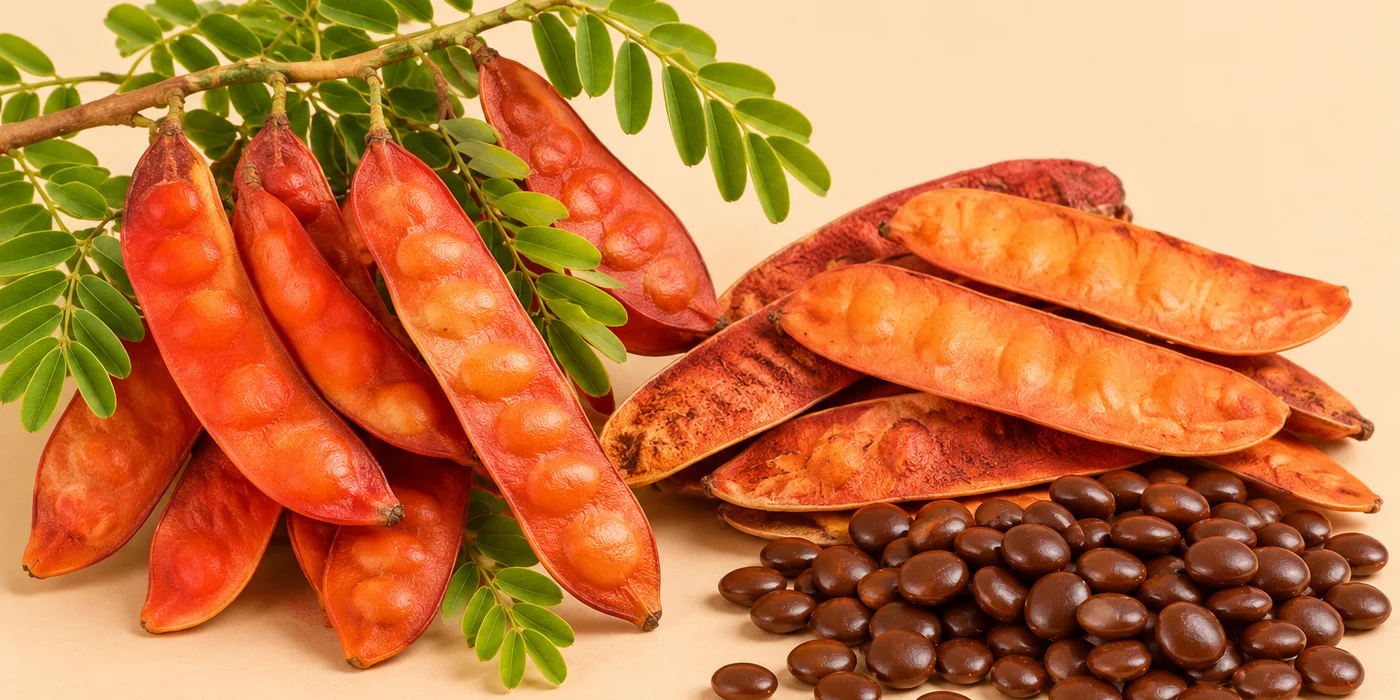
Tara (Caesalpinia spinosa), also known as taya, is a legume native to the Andes that grows in the dry inter-Andean valleys of Peru, between 1,000 and 3,100 meters above sea level. Peru accounts for about 80 % of world production, making it the main supplier of this product to the world.
Where is it produced in Peru?
The departments with the highest production are Cajamarca (41 %), Ayacucho (16 %), La Libertad (13 %) and Huánuco (13 %). It is also grown in Huancavelica, Apurímac and Áncash.
One fruit, two products
Two main parts of tara are used:
- The pod husk: once the seed is removed, it is ground to obtain tara powder, rich in tannins (over 52 %). It is used to tan high-end leather, such as that used in car seats, furniture and clothing, and to extract tannic acid.
- The seed: it is processed in an oven at 250 °C to obtain flakes, which are ground in a stone mill to produce tara gum, a natural food additive (code E 417 in the European Union) for cold and hot foods.
A natural and versatile product
Tara is used in very different industries: tanning, food, cosmetics, pharmaceuticals and even well drilling. Being plant-based and biodegradable, it is a sustainable alternative to synthetic inputs.
At Agro Andes Peru we offer tara powder and tara gum for export, in 1, 10 and 25 kg packages.
Interested in any of our products?
Request a quote